
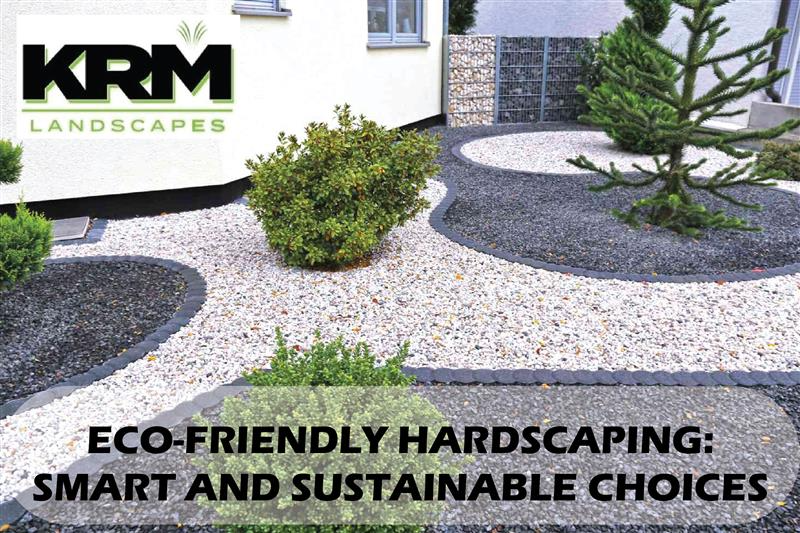
Building a backyard you love doesn’t have to harm the planet. These days, more homeowners are turning to eco-friendly hardscaping to create great outdoor spaces that function well and respect the environment. Whether using green hardscape materials, installing permeable pavers, or embracing low-impact landscaping, sustainable choices help you design with purpose.
Think about it—your driveway, patio, or walkway lasts decades. By choosing sustainable outdoor design, you’re reducing your carbon footprint and building something that stands the test of time. And the best part? Eco-friendly doesn’t mean boring. Today’s eco-hardscape solutions combine beauty, durability, and innovative design.
Why Go for Eco-Friendly Hardscaping?
Traditional hardscaping often relies on heavy concrete, nonrenewable resources, and water-draining features. Over time, these choices increase runoff, pollute waterways, and stress local ecosystems. That’s where sustainable hardscaping is designed to work with nature, not against it.
For example, using water-conserving hardscape like permeable pavers reduces flooding and recharges groundwater. Eco-friendly designs also minimize energy use by reflecting heat instead of absorbing it. On top of all that, environmentally friendly landscaping adds resale value to your home, since more buyers now prefer sustainable upgrades.
Choosing Green Hardscape Materials
Materials are at the heart of every project. It’s smart to use green hardscape materials such as recycled concrete, reclaimed wood, or composite decking when going eco-friendly. These not only reduce waste but also save natural resources.
Locally sourced stone and gravel also cut down on transportation emissions. Pair these materials with native plants, and your sustainable outdoor design becomes a space that feels natural while staying planet-friendly.
Permeable Pavers: A Win-Win
One of the most popular eco-hardscape solutions is permeable pavers. Unlike traditional concrete slabs, they allow rainwater to soak into the soil. This prevents puddling, reduces erosion, and recharges the groundwater table.
Even better? They’re stylish. Available in multiple colors, textures, and patterns, permeable pavers fit any design theme. From driveway paving to stone walkway installation, they combine sustainability with curb appeal. Plus, they’re low maintenance and can last decades when installed correctly.
Blending Hardscape and Nature
Eco-friendly doesn’t mean sterile. In fact, sustainable outdoor design thrives when you mix natural and artificial elements. Think patios framed with planters full of herbs or low-impact landscaping where grass grows between paver joints.
Adding features like rain gardens or native shrubs softens the look of patios and walkways while improving soil health and biodiversity. This balance ensures your yard feels alive—not just built.
Cutting Energy and Water Waste
Innovative design also saves resources. Shade structures like pergolas make your yard more comfortable and cut down cooling costs. Lighter-colored surfaces reflect heat, keeping your outdoor areas cooler during summer.
Water savings come from water-conserving hardscape options. Permeable driveways, gravel paths, and rain catchment systems reduce waste and help your property stay eco-conscious. By combining design with function, you protect the environment while lowering your bills.
Outdoor Features with a Green Edge
Eco-friendly hardscaping doesn’t stop at walkways and patios. Popular outdoor features can also be built sustainably:
- Fire pit installation using propane or natural gas reduces smoke and pollution.
- Outdoor kitchen design can include recycled stone and energy-efficient appliances.
- Pergola installation with reclaimed wood offers shade while supporting sustainability.
These upgrades add comfort and charm to your property while keeping things eco-conscious.
Long-Term Benefits of Going Green
While sustainable hardscaping may cost a bit more upfront, the payoff is clear. Stronger materials mean fewer repairs. Permeable pavers and other eco-hardscape solutions last longer, reduce maintenance, and save money over time.
And let’s not forget property value. Buyers are drawn to homes with environmentally friendly landscaping because it shows thoughtfulness, modern design, and lower utility costs. Going green is not just good for the planet—it’s good for your wallet.
Final Thoughts
Sustainable hardscaping is about creating stunning outdoor spaces that last for years and support the planet. With eco-friendly hardscaping options like permeable pavers, recycled materials, and water-saving designs, you can craft a yard that genuinely works for you and the environment.
Ready to bring your project to life? Check out KRM Landscaping for expert guidance. They also offer inspiration for hardscape outdoor kitchens and an essential guide to hardscaping services to help you get started.
FAQs
Q1: What makes hardscaping eco-friendly?
Using sustainable materials, permeable pavers, and water-saving designs that reduce environmental impact.
Q2: Are permeable pavers worth it?
Yes, they last decades, prevent flooding, and add style to your yard.
Q3: Does sustainable hardscaping cost more?
Slightly at first, but long-term savings on water, energy, and maintenance balance it out.
Q4: Can existing hardscape be updated?
Yes, you can replace concrete with permeable pavers or add eco features like rain gardens.
Q5: How does eco-friendly hardscaping affect home value?
It increases resale value since buyers prefer sustainable, low-maintenance outdoor spaces.