
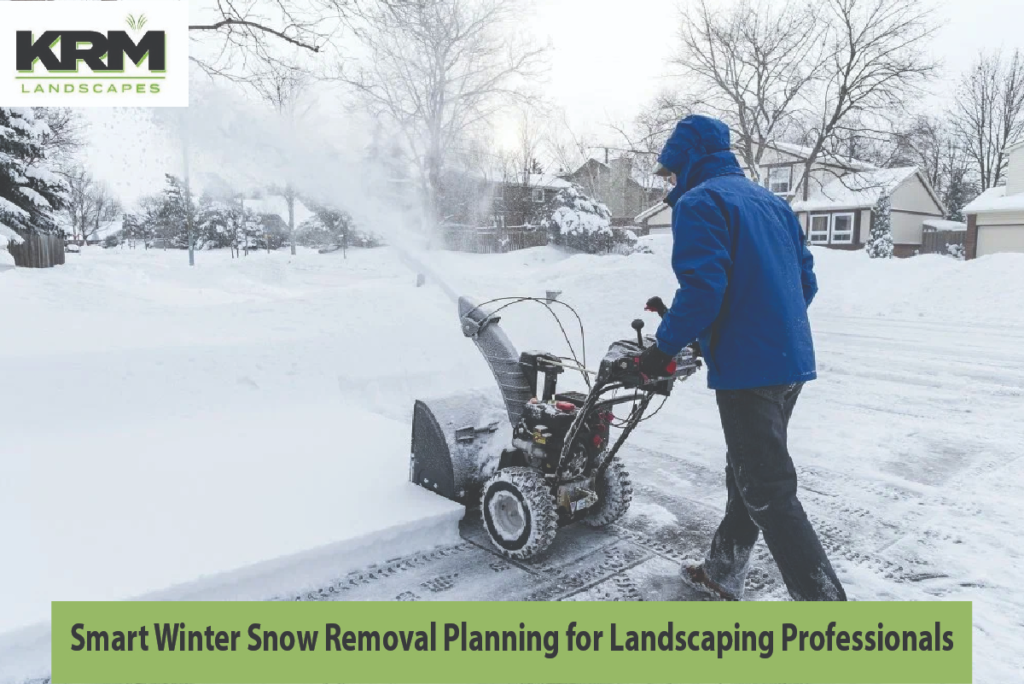
When winter hits hard, landscaping professionals don’t get a break; they switch gears. Snowstorms, ice buildup, and freezing temperatures create both challenges and opportunities for landscaping companies that offer snow removal services. Thoughtful winter snow removal planning isn’t just about pushing snow; it’s about protecting properties, maintaining safety, managing crews efficiently, and delivering reliable service when clients need it most.
For professionals in snowplowing and landscaping, winter landscaping requires a proactive mindset. Instead of reacting to storms, successful companies plan, fine-tune operations, and set clear expectations with clients. When planning is done right, snow clearing becomes smoother, safer, and far more profitable. This guide walks you through advanced yet practical strategies to help landscaping professionals stay prepared, competitive, and stress-free all winter long.
Why Smart Winter Planning Matters More Than Ever
Winter weather has become increasingly unpredictable, making preparation more critical than ever. A single poorly planned storm response can lead to delayed service, safety risks, and unhappy clients. On the other hand, strong winter planning allows landscape snow removal companies to operate with confidence and consistency.
Additionally, competition among snow removal services continues to grow. Clients now expect fast response times, clear communication, and professional execution. Whether you handle commercial snow removal or residential snow plowing, planning helps you stand out while protecting your team and equipment from unnecessary strain.
Transitioning from Fall Landscaping to Winter Operations
A smooth transition from fall cleanup to winter landscaping sets the tone for the entire season. Instead of waiting for the first snowfall, professionals should begin preparations weeks in advance. This includes inspecting equipment, training crews, and reviewing service contracts.
Equally important is educating clients. Many property owners don’t fully understand snow-clearing schedules or service limitations. Clear communication helps prevent misunderstandings while building trust. Companies that manage expectations early often experience fewer service disputes during peak storms.
Equipment Readiness: The Backbone of Snow Removal Success
Reliable equipment is the foundation of efficient snowplowing and landscaping operations. Trucks, plows, loaders, and snow blowers must be inspected, serviced, and tested before winter arrives. Preventive maintenance reduces breakdowns when time is critical.
Stocking spare parts, fluids, and replacement blades also keeps operations moving during long storms. Professional snow removal services know that downtime equals lost revenue and unhappy customers. Prepared equipment ensures teams can respond quickly and safely, even during heavy snowfall.
Staffing Strategies for Consistent Winter Coverage
Winter storms don’t follow a 9-to-5 schedule, which makes staffing a major planning priority. Landscaping companies should develop flexible staffing plans that include backup crews and on-call support. Cross-training employees ensures operations continue even when someone is unavailable.
Retention also matters. Offering incentives, clear schedules, and proper safety training keeps crews motivated throughout the season. For companies handling both residential snow plowing and commercial snow removal, dependable staff can make or break service quality during periods of high demand.
Route Planning for Faster and Safer Snow Clearing
Efficient route planning saves time, fuel, and labor. Grouping nearby properties reduces travel time while improving response speed. GPS-based routing tools can further optimize snow-clearing routes during active storms.
Prioritization is equally essential. Commercial snow removal properties often require immediate attention due to safety regulations, while residential snow plowing may follow shortly after. Intelligent routing ensures no property is overlooked while crews operate safely in challenging conditions.
Balancing Residential and Commercial Snow Removal
Many landscaping companies serve both residential and commercial clients, but each requires a different approach. Commercial snow removal often involves strict timelines, liability concerns, and large surface areas. Residential snow plowing, on the other hand, emphasizes convenience and customer satisfaction.
Smart winter planning accounts for these differences. Dedicated crews or staggered schedules allow companies to meet obligations without overextending resources. When balanced correctly, offering both services increases revenue while strengthening long-term client relationships.
Risk Management and Safety During Winter Operations
Snow and ice create serious safety risks for both workers and clients. Slips, equipment accidents, and exposure to weather are common concerns during winter landscaping operations. Implementing strict safety protocols reduces injuries and liability.
Regular safety meetings, proper protective gear, and clear procedures help teams stay alert during long shifts. Documenting service times and conditions also protects companies in case of disputes. Professional landscape snow removal isn’t just about efficiency; it’s about responsibility.
Technology and Communication for Smarter Service
Technology plays a growing role in modern snow removal services. Weather-tracking tools, client-notification systems, and digital-scheduling platforms help companies stay ahead of storms. Real-time updates allow teams to mobilize quickly and adjust plans as conditions change.
Clear communication builds confidence. Clients appreciate knowing when snow clearing will occur and what services are included. Landscaping companies that communicate proactively often receive higher satisfaction rates and repeat business throughout the winter season.
Partnering with a Trusted Landscaping Company
Strong winter performance builds year-round credibility. Clients who trust your snow removal services are more likely to return for spring, summer, and fall landscaping work. This creates a reliable revenue cycle and strengthens brand loyalty.
If you’re looking to elevate your operations, partnering with an experienced provider like KRM Landscaping can make a real difference. Learn more about their full-service approach.
Or explore professional options.
And see how expert planning supports long-term success.
Final Thoughts: Plan Smart, Perform Strong All Winter
Thoughtful winter snow removal planning is the difference between reactive service and professional excellence. Landscaping professionals who invest time in preparation, training, and communication consistently outperform competitors during the toughest months of the year.
From equipment readiness to route optimization and safety management, every detail matters. When winter landscaping is planned with care, snow clearing becomes more efficient, profitable, and stress-free. A strong plan doesn’t just survive winter; it turns it into a season of opportunity.
FAQs
How early should landscaping professionals plan for winter snow removal?
Planning should begin in early fall. This allows time for equipment maintenance, staff training, and client communication before the first snowfall.
What’s the difference between residential snow plowing and commercial snow removal?
Residential snow plowing focuses on driveways and walkways, while commercial snow removal covers larger properties with stricter safety and timing requirements.
Why is route planning essential for snow removal services?
Efficient routes reduce fuel costs, save time, and help crews respond faster during storms, improving overall service quality.
How can landscaping companies improve winter safety?
Regular safety training, proper equipment, and clear procedures significantly reduce accidents during snow-clearing operations.
Can winter snow removal help grow a landscaping business?
Yes. Reliable winter services strengthen client relationships and create year-round revenue opportunities.