
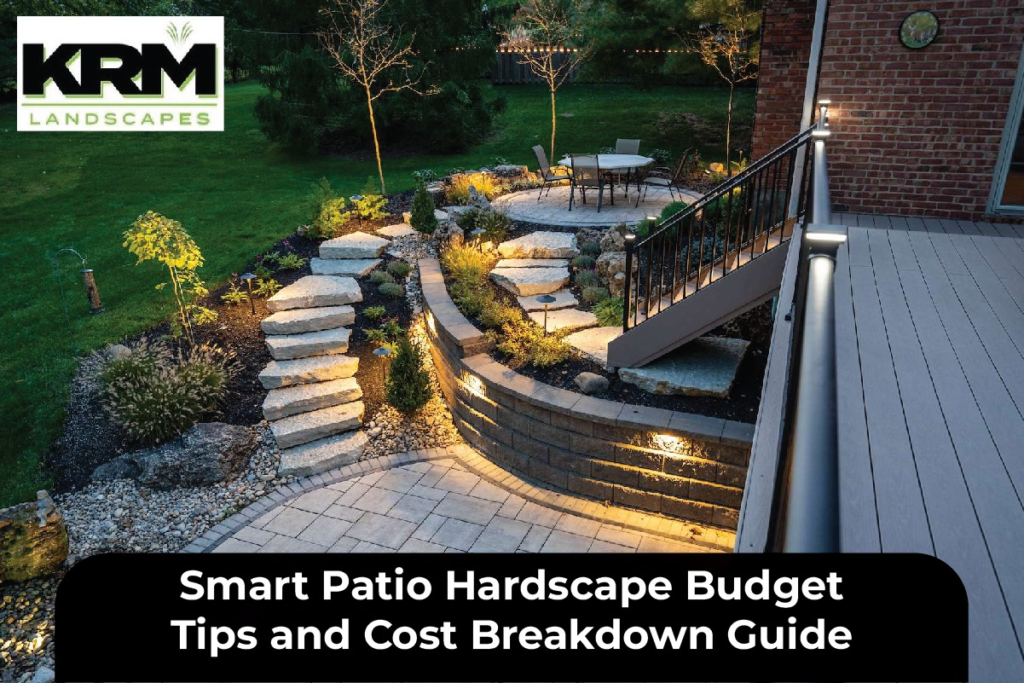
Designing a patio hardscape is exciting. It’s the moment where outdoor dreams meet real-world planning. However, without a smart budget strategy, that excitement can quickly turn into stress. From pavers and retaining walls to lighting and seating areas, patio hardscaping involves several cost factors that many homeowners underestimate. That’s why understanding where your money goes and how to control itmakes all the difference.
A well-planned patio hardscape doesn’t mean cutting corners. Instead, it’s about making informed decisions, prioritizing value, and spending wisely. Whether you’re upgrading a backyard retreat or building a brand-new outdoor living space, smart budgeting helps you get long-lasting results without surprises. With the right approach, you can balance beauty, durability, and comfort while keeping costs under control. This guide breaks down everything you need to know, from material costs to hidden expenses, while sharing practical tips contractors often forget to mention.
Understanding Patio Hardscape Costs Before You Build
Before the first stone is laid, it’s essential to understand what actually drives patio hardscape pricing. Many homeowners assume the main cost is materials, but labor, site preparation, and design complexity often play an equal role. Sloped yards, poor soil conditions, or drainage issues can quickly increase costs if not addressed early.
Another factor is customization. Straightforward patio layouts cost less than multi-level designs with curves, built-in seating, or fire features. While custom elements look stunning, they require more labor and precision. By identifying these cost drivers in advance, you can adjust your design to fit your budget rather than scrambling mid-project.
Breaking Down Material Costs the Smart Way
Materials typically account for a large share of your patio hardscape budget. Concrete pavers, natural stone, brick, and gravel each have different price points and maintenance requirements. Concrete pavers are budget-friendly and versatile, while natural stone offers premium aesthetics but comes at a higher cost.
It’s also important to factor in longevity. Cheaper materials may save money upfront, but they often require repairs or replacement sooner. Investing a bit more in durable materials can reduce long-term costs. A professional contractor can help you choose materials that match both your budget and your climate, especially in areas with freeze-thaw cycles.
Labor Costs and Why Quality Installation Matters
Labor is not the place to cut costs. Skilled installation ensures your patio stays level, drains properly, and lasts for years. Poor artistry can lead to shifting pavers, water pooling, and structural issues that cost more to fix later.
Professional hardscape contractors handle excavation, base preparation, and compaction correctly. While labor costs may seem high at first, they protect your investment. Partnering with an experienced team like those found through helps ensure your project is done right the first time.
Lighting and Ambiance Without Breaking the Bank
Patio lighting is often overlooked in budgeting, yet it significantly affects usability and atmosphere. Simple lighting upgrades can transform your patio from ordinary to inviting. Options such as solar path lights, low-voltage LED systems, and accent lighting offer affordable ways to enhance the ambiance.
Unique lighting elements such as Salt lamp lighting and a Himalayan mood lamp can also add a cozy, relaxing touch to covered patios or outdoor kitchens. A Mood salt lamp provides a soft glow that complements evening gatherings without overpowering the space. The subtle glow of the Himalayan lamp creates warmth, making your patio feel like an extension of your home. When used thoughtfully, a Relaxing salt light becomes both décor and mood enhancer without a significant cost increase.
Smart Design Choices That Save Money Long-Term
Design plays a massive role in your final cost. Simple layouts require fewer cuts and less labor, reducing installation costs. Choosing standard sizes for pavers and slabs also reduces waste and speeds up installation.
Another smart strategy is building in phases. Start with the patio base and seating area, then add features like fire pits or outdoor kitchens later. This approach allows you to spread costs over time while still enjoying your space. If you’re planning a future upgrade, reviewing options can help align your design with long-term goals.
Hidden Costs Homeowners Often Miss
Even well-planned budgets can be thrown off by hidden expenses. Permits, site access challenges, and unexpected soil conditions can add to the final bill. Drainage solutions and edging materials are also commonly overlooked during planning.
Maintenance is another factor many homeowners ignore. Sealing pavers, replacing joint sand, and seasonal cleaning all come with minor but recurring costs. Factoring these into your budget ensures there are no surprises later. Understanding related outdoor costs, such as lawn restoration after construction, can also help.
Comparing DIY vs Professional Installation Costs
DIY patio projects seem appealing, especially for budget-conscious homeowners. While you can save on labor, mistakes can quickly erase those savings. Improper base preparation or incorrect slope can lead to costly repairs.
Professional installation offers peace of mind, warranties, and expert design advice. Contractors also have access to better pricing on materials and equipment. When comparing costs, it’s essential to consider not just the initial expense but also the value of durability and long-term performance.
Budgeting Tips That Deliver the Best Value
The smartest patio budgets focus on value rather than just price. Set clear priorities early, decide what features matter most, and where you’re willing to compromise. Always include a contingency fund of 10–15% for unexpected expenses.
Request detailed estimates and ask questions. A transparent contractor will explain where your money goes and suggest cost-saving alternatives. With careful planning, you can create a high-end patio without overspending.
Final Thoughts: Build Smarter, Not Harder
A beautiful patio hardscape doesn’t require an unlimited budget; it requires thoughtful planning. When you understand material costs, labor expenses, and design choices, you gain control over your project. Intelligent lighting, phased construction, and professional guidance help stretch your dollars while improving long-term value.
By budgeting wisely and working with experienced professionals, you can enjoy an outdoor space that feels inviting, functional, and built to last. Smart decisions today lead to fewer headaches tomorrow, and a patio you’ll love for years to come.
Frequently Asked Questions
How much should I budget for a patio hardscape project?
Most patio hardscape projects fall within a broad range depending on size, materials, and features. A clear design plan helps establish realistic expectations.
Are pavers cheaper than natural stone?
Yes, concrete pavers are generally more affordable and easier to install. Natural stone offers premium appeal but comes at a higher cost.
Can lighting really impact patio costs?
Absolutely. Lighting options range from budget-friendly solar lights to custom systems. Even minor upgrades, such as Himalayan lamps, can enhance the ambiance affordably.
Is professional installation worth the cost?
Professional installation ensures proper drainage, durability, and compliance with local codes, saving money on future repairs.
What’s the biggest mistake homeowners make when budgeting?
Underestimating hidden costs such as site preparation, drainage, and maintenance is the most common issue.