
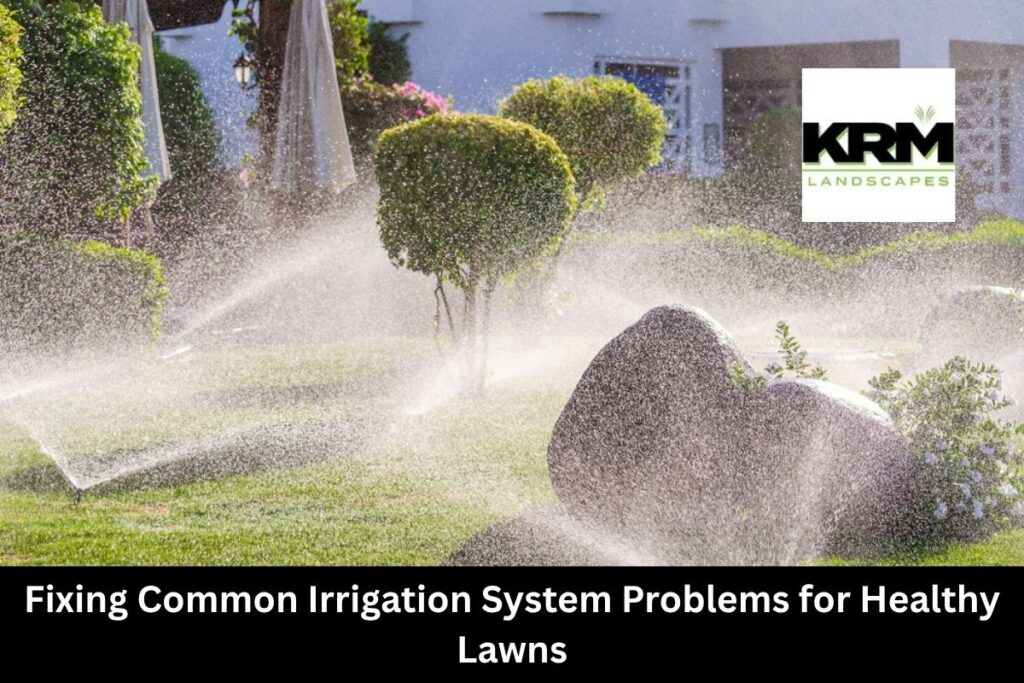
A lush, green lawn doesn’t happen by accident; it’s the result of consistent care, smart watering, and a properly functioning irrigation system. But here’s the thing: even the best systems can run into problems over time. Whether it’s uneven watering, clogged sprinkler heads, or faulty valves, these issues can quietly damage your lawn before you even notice. That’s why understanding how to fix common irrigation problems is essential for maintaining a vibrant outdoor space.
Now, you don’t need to be a professional landscaper to spot and resolve these issues. With a little guidance and the right approach, you can handle basic irrigation system repair tasks or know exactly when to call in expert lawn irrigation services. In this guide, we’ll break down the most common irrigation problems, offer practical solutions, and share tips to keep your system running efficiently year-round.
Why a Healthy Irrigation System Matters
A well-functioning irrigation system is the backbone of a thriving lawn. It ensures your grass gets the right amount of water, no more, no less. Too much water can drown roots and promote disease, while too little leads to dry, patchy grass. That’s why regular sprinkler system maintenance is key.
Moreover, efficient irrigation saves water and reduces utility costs. When your system works correctly, it distributes water evenly and prevents waste. Investing time in maintenance and timely automatic sprinkler repair can make a big difference in both your lawn’s health and your wallet.
Uneven Watering Across the Lawn
Uneven watering is one of the most common irrigation problems homeowners face. You might notice dry patches in one area while another looks overly saturated. This usually happens due to misaligned sprinkler heads or inconsistent water pressure.
To fix this issue, start by checking your sprinkler heads. Adjust their direction and ensure they’re not blocked by grass or debris. If the problem persists, consider having a professional repair the irrigation system to ensure balanced water distribution.
Quick fixes include:
- Adjust sprinkler head angles
- Clean clogged nozzles
- Check water pressure levels
- Replace damaged heads
Low Water Pressure Issues
Low water pressure can prevent your system from delivering water effectively. As a result, your lawn may not get the hydration it needs. This issue often stems from leaks, broken pipes, or partially closed valves.
First, inspect your system for visible leaks. Even a small crack can significantly reduce pressure. If you can’t locate the issue, it’s best to consult lawn irrigation services to diagnose and fix the problem properly.
Additionally, regular sprinkler system maintenance helps prevent pressure issues before they start. Keeping your system clean and leak-free ensures consistent performance.
Clogged or Dirty Sprinkler Heads
Over time, dirt, sand, and debris can clog sprinkler heads, affecting water flow. When this happens, your system won’t distribute water evenly, leading to dry spots.
Cleaning sprinkler heads is a simple yet effective solution. Remove the heads, rinse them thoroughly, and clear any blockages. If cleaning doesn’t work, you may need a replacement.
Signs of clogged heads:
- Weak or uneven spray
- Water spraying in odd directions
- Visible dirt buildup
- Reduced coverage area
Regular cleaning is a crucial part of automatic sprinkler repair and helps extend your system’s lifespan.
Faulty Valves and Zone Problems
Irrigation valves control water flow to different zones in your lawn. When a valve fails, it can either stop water completely or cause continuous watering in one area.
This is where irrigation valve replacement becomes necessary. A faulty valve can’t be repaired easily, so replacing it ensures proper functionality. If multiple zones are affected, it’s wise to call professionals for a thorough inspection.
Keeping valves in good condition is essential for efficient lawn irrigation services and long-term system reliability.
Leaking Pipes and Water Waste
Leaks are not only wasteful but also harmful to your lawn. They can create soggy areas, encourage weed growth, and increase your water bill.
To fix leaks, inspect underground pipes and connections. Look for unusually wet spots or reduced water pressure. Once identified, repair or replace the damaged section.
Prevent leaks by:
- Scheduling routine inspections
- Avoiding heavy equipment over pipes
- Fixing minor cracks early
- Monitoring water usage
Timely irrigation system repair can save both water and money while protecting your lawn.
Controller and Timer Malfunctions
Your irrigation controller acts as the brain of the system. If it malfunctions, your entire watering schedule can go off track. This may lead to overwatering or underwatering.
Start by checking the timer settings and ensuring they match your lawn’s needs. If the controller isn’t responding, it might need to be reset or replaced. Modern controllers offer smart features that improve efficiency and convenience.
Upgrading your controller can enhance your overall sprinkler system maintenance routine and simplify lawn care.
Seasonal Maintenance and System Checkups
Seasonal changes can significantly impact your irrigation system. Freezing temperatures, for example, can damage pipes, while summer heat increases water demand.
That’s why regular inspections are crucial—especially when following a maintenance checklist.
can help you stay ahead of potential problems.
Routine automatic sprinkler repair and adjustments ensure your system adapts to seasonal needs, keeping your lawn healthy year-round.
When to Call Professional Lawn Irrigation Services
While DIY fixes can solve minor issues, some problems require expert attention. Professionals best handle complex leaks, electrical faults, or major system failures.
Working with experienced lawn irrigation services ensures accurate diagnosis and long-lasting solutions. Professionals have the tools and knowledge to perform efficient irrigation valve replacement and system upgrades.
For reliable support, visit.
They offer comprehensive services to keep your irrigation system in top shape.
Final Thoughts
Fixing common irrigation problems doesn’t have to be overwhelming. With regular care, timely repairs, and a proactive approach, you can maintain a healthy, green lawn year-round. From cleaning sprinkler heads to repairing irrigation systems, every step you take contributes to better lawn health.
Remember, consistency is key. Regular sprinkler system maintenance not only prevents issues but also improves efficiency and saves money. And when in doubt, don’t hesitate to seek professional lawn irrigation services for expert guidance.
FAQs
1. How often should I check my irrigation system?
You should inspect your system at least once a month and perform seasonal maintenance to ensure optimal performance.
2. What causes sprinkler heads to stop working?
Clogs, dirt buildup, or damage can prevent sprinkler heads from functioning properly.
3. When should I consider irrigation valve replacement?
If a valve fails to open or close properly, replacement is usually the best solution.
4. Can I fix low water pressure myself?
Yes, if minor leaks or blockages cause it. Otherwise, professional help is recommended.
5. Are professional lawn irrigation services worth it?
Absolutely. They ensure accurate repairs, save time, and extend the life of your system.