
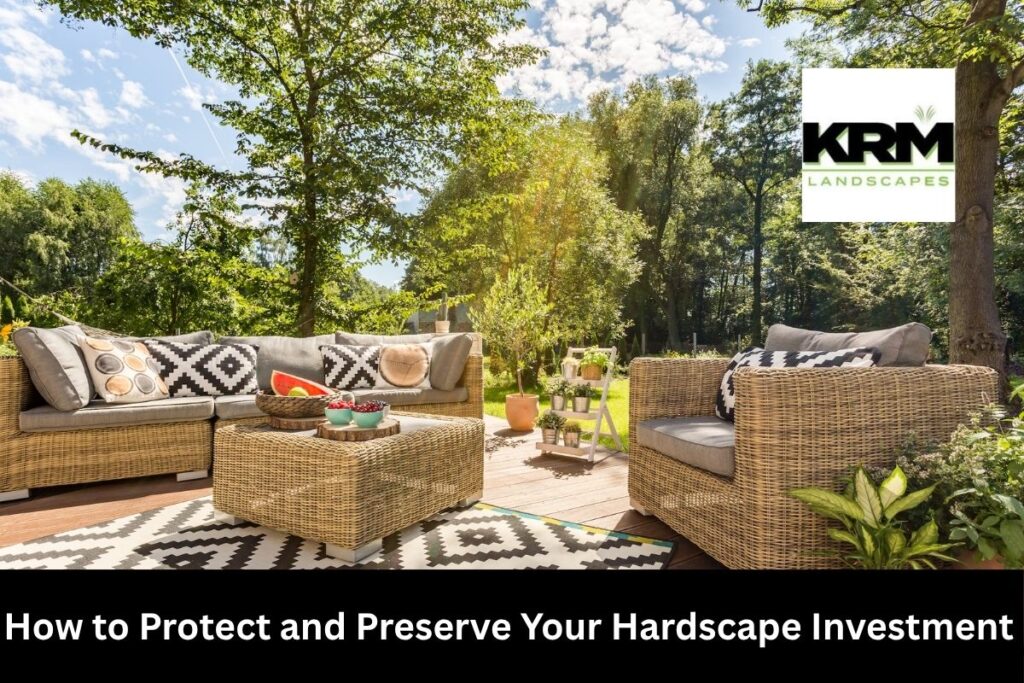
Your outdoor space isn’t just a yard, it’s an extension of your home, your lifestyle, and, honestly, your pride. Whether you’ve invested in a beautiful stone patio, a modern paver walkway, or a fully designed outdoor living area, your hardscape plays a huge role in your property’s value and everyday enjoyment. But here’s the truth most homeowners overlook: even the strongest hardscape needs consistent care.
From weather exposure to everyday foot traffic, your investment is constantly under pressure. That’s why understanding the right maintenance approach makes all the difference. With the right habits, smart seasonal planning, and a little professional support when needed, you can keep your outdoor surfaces looking brand new for years. Let’s break it all down in a simple, practical way so you can confidently protect what you’ve built.
Start Strong: Understanding Your Hardscape Investment
A hardscape isn’t just stone, brick, or concrete; it’s a designed system that supports your outdoor lifestyle. When properly installed, it adds structure, function, and long-term beauty to your property. However, even the best installation needs ongoing Hardscape maintenance to preserve its strength and appearance.
Think of it like owning a car. Even if it’s brand new, it still needs oil changes and tune-ups. The same idea applies here.
To truly protect your investment, you need to understand what impacts it most:
- Weather changes (rain, freeze-thaw cycles, heat)
- Soil movement beneath surfaces
- Heavy furniture or vehicle pressure
- Organic buildup, like moss and weeds
- Poor drainage around the structure
When you stay aware of these factors, you can prevent small issues from turning into expensive repairs later.
Keep It Clean: The Power of Regular Maintenance
Let’s be real, dirt happens. But when it builds up, it slowly damages the surface of your hardscape. That’s where consistent Outdoor hardscape cleaning becomes essential. A clean surface doesn’t just look better; it lasts longer.
You don’t need complicated routines either. Simple habits go a long way.
Here are some effective Patio maintenance tips you can follow:
- Sweep debris weekly to prevent staining
- Rinse surfaces monthly with a garden hose
- Remove leaves quickly to avoid moisture buildup
- Use mild cleaners instead of harsh chemicals
- Clear weeds growing between joints
And honestly, consistency matters more than intensity. A light cleaning every week is far more effective than a deep clean once a year.
If you want professional help, services like KRM Landscaping offer comprehensive landscape maintenance that keeps your outdoor space in top condition year-round.
Seal the Deal: Protecting Surfaces from Damage
One of the most overlooked steps in Stone patio preservation is sealing. A high-quality sealant acts like a shield against moisture, stains, and UV damage. Without it, your surface slowly loses its original color and strength.
Sealing isn’t just a one-time task; it’s a routine part of smart ownership.
Here’s why sealing matters:
- Prevents water absorption
- Reduces staining from spills
- Enhances color and texture
- Minimizes cracking over time
- Blocks weed growth in joints
This is also where caring for and repairing become easier. Sealed surfaces are much simpler to clean and maintain, saving you time and money in the long run.
For best results, reseal your hardscape every 2–3 years, depending on exposure and usage. If you’re unsure, professionals can assess your surface and recommend the right schedule.
Seasonal Strategy: Caring for Your Hardscape Year-Round
Weather is one of the biggest threats to your hardscape, especially in regions with extreme seasonal shifts. That’s why Hardscaping seasonal care is not optional; it’s necessary.
Each season brings its own challenges, so your approach should adapt accordingly.
Here’s a simple seasonal breakdown:
- Spring: Clean debris, check for winter damage
- Summer: Focus on sealing and sun protection
- Fall: Remove leaves and prepare drainage
- Winter: Avoid harsh de-icing chemicals
A proactive approach keeps your surfaces stable and reduces long-term wear.
During freezing conditions, avoid using metal shovels or salt-based de-icers. Instead, use sand or calcium-based alternatives to protect your surface integrity.
Prevent Problems Before They Start
Most hardscape damage doesn’t happen suddenly; it builds up slowly. That’s why prevention is your strongest tool. Good maintenance habits can save you from costly repairs later.
Here are practical prevention strategies you should follow:
- Check drainage after heavy rain
- Refill joint sand when needed
- Avoid placing heavy objects in one spot for too long
- Trim nearby plants and roots
- Inspect for cracks every few months
These small actions go a long way in maintaining structural stability.
Also, if your outdoor design includes landscaping elements, keeping everything balanced is key. Healthy soil and proper lawn care directly support your hardscape’s foundation.
For example, integrating modern lawn care techniques like hydroseeding helps stabilize soil and reduce shifting around patios and walkways.
Repair It Right: Don’t Ignore Small Issues
Small cracks, loose pavers, or shifting stones might not look serious at first, but they never fix themselves. In fact, they usually get worse over time. That’s why timely Paver care and repair is critical.
The sooner you address issues, the cheaper and easier they are to fix.
Common warning signs include:
- Uneven or sinking pavers
- Cracks in stone or concrete
- Loose joint sand
- Standing water after rain
- Visible weed growth in joints
Fixing these early helps maintain both safety and appearance. Even a small shift can affect drainage and cause long-term structural issues if ignored.
For larger repairs, professional help ensures everything is reset properly and leveled for long-term durability.
Blend Hardscape with Landscaping for Maximum Protection
Here’s something many homeowners don’t realize: your hardscape doesn’t exist alone. It works together with your landscaping. Poor landscaping can actually shorten the life of your patio or walkway.
That’s why combining Landscape maintenance services with hardscape care is a smart move.
A well-balanced outdoor design helps in multiple ways:
- Controls water drainage naturally
- Reduces soil erosion around edges
- Prevents root damage to pavers
- Enhances overall property aesthetics
If you’re upgrading your outdoor space, integrating features like outdoor kitchens can also elevate both function and value. You can explore ideas.
A complete design approach ensures your hardscape isn’t just protected, it’s supported by everything around it.
Know When to Call the Pros
While DIY maintenance is great, some situations require expert attention. Professional services bring tools, experience, and precision that ensure long-term results.
Here’s when you should consider calling experts:
- Large cracks or structural movement
- Drainage problems
- Full resealing projects
- Major stain removal
- Complete surface restoration
Professionals don’t just fix problems; they prevent future ones by identifying hidden issues early.
Working with a trusted team like KRM Landscaping ensures your hardscape receives proper care from installation through long-term preservation.
Final Thoughts
Your hardscape is more than just an outdoor feature; it’s a long-term investment in comfort, beauty, and property value. The good news? With consistent care, smart seasonal adjustments, and timely repairs, you can easily extend its life for decades.
Think of maintenance not as a chore, but as protection. Every sweep, seal, and inspection adds years to your investment. And when needed, professional support ensures everything stays structurally sound and visually appealing.
In the end, the goal is simple: enjoy your outdoor space without worrying about damage or costly repairs.
FAQs
1. How often should I clean my hardscape?
Light cleaning should be done weekly, while deeper Outdoor hardscape cleaning is recommended monthly or seasonally, depending on usage.
2. What is the best way to protect pavers?
Regular sealing, proper drainage, and consistent Paver care and repair are key to long-lasting protection.
3. Do I really need seasonal maintenance?
Yes. Hardscaping seasonal care helps prevent weather-related damage like cracking, shifting, and staining.
4. Can I repair cracked pavers myself?
Minor issues can be handled DIY, but larger damage is best handled by professionals for proper leveling and durability.
5. How does landscaping affect hardscape?
Good landscaping improves drainage, reduces erosion, and supports overall Stone patio preservation.