
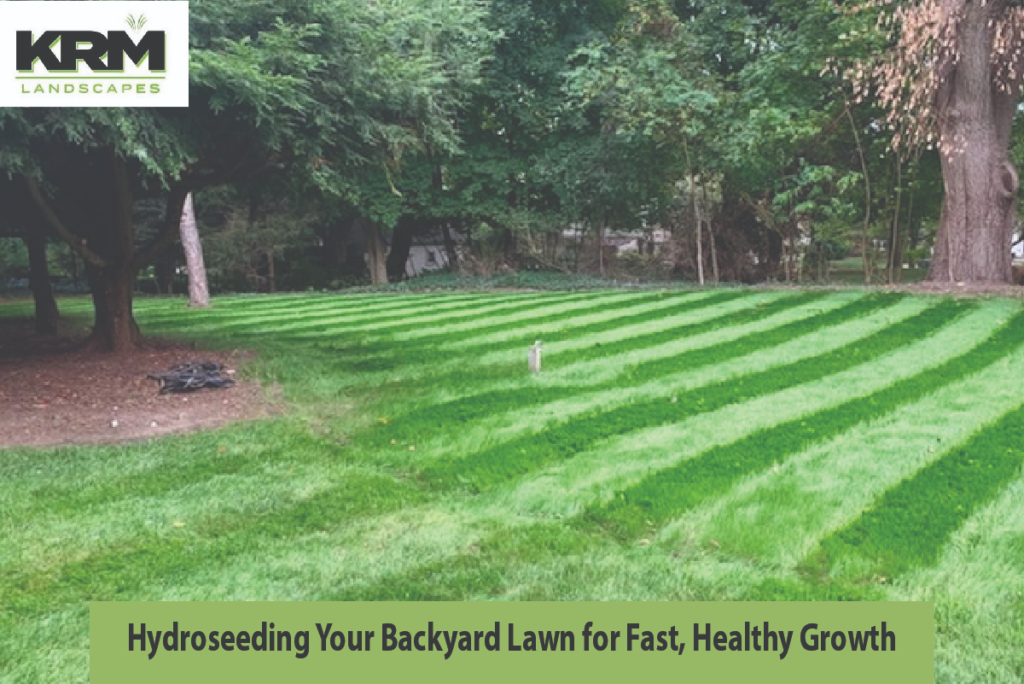
A lush, green backyard lawn is more than just good looks; it’s a place to relax, entertain, and enjoy everyday life. However, achieving thick, healthy grass can feel frustrating when traditional seeding takes too long or sod costs too much. That’s where hydroseeding steps in as an innovative, modern solution. Homeowners across the U.S. are choosing hydroseeding because it delivers fast germination, even coverage, and long-term lawn health without the hassle.
Hydroseeding combines grass seed, water, mulch, fertilizer, and soil enhancers into a powerful slurry that’s sprayed evenly over prepared soil. As a result, seeds stay protected, moisture is retained, and growth happens quickly. Whether you’re planning a brand-new lawn or fixing patchy grass, hydroseeding your backyard lawn offers a balance of performance and value that’s hard to beat. More importantly, it works well for flat yards, slopes, and even compact outdoor spaces. In this guide, you’ll learn how hydroseeding works, what it costs, how to prepare your yard, and how to maintain strong growth for lasting results.
Why Hydroseeding Is a Smart Choice for Backyard Lawns
Hydroseeding has gained popularity because it solves many problems homeowners face with traditional lawn methods. Unlike dry seed, which can wash away, or sod, which struggles to root, hydroseeding creates a protective layer over the soil. This layer keeps seeds in place, improves soil contact, and speeds up germination. Consequently, you’ll often see grass sprouting in as little as 5 to 7 days.
Another significant advantage is flexibility. Hydroseeding works well for small yards, large backyards, and uneven landscapes. In fact, many professionals consider it the best hydroseeding option for small yards because it allows for precise application without waste. Additionally, hydroseeding blends can be customized for sun exposure, soil type, and climate, ensuring your lawn grows strong and evenly from the start.
Understanding Hydroseeding Backyard Cost and Long-Term Value
When homeowners compare options, the cost of hydroseeding a backyard often comes up as a deciding factor. On average, hydroseeding costs less than sod but slightly more than traditional seeding. However, the real value lies in the results. Because seeds germinate faster and more evenly, you’re less likely to spend extra money reseeding bare spots later.
Moreover, hydroseeding creates deeper root systems than sod, which means better drought resistance and fewer repairs over time. While prices vary depending on yard size, seed mix, and preparation needs, many homeowners find hydroseeding to be the most cost-effective solution in the long run. If you’re searching for yard hydroseeding near me, working with a local professional ensures accurate pricing and region-specific grass blends.
Hydroseeding Yard Preparation Sets the Foundation for Success
Proper hydroseeding yard preparation is essential for achieving thick, healthy growth. Before any slurry is applied, the soil must be cleared of debris, rocks, and weeds. Grading the yard ensures proper drainage and prevents water pooling that can damage young grass.
Next, soil testing helps determine nutrient levels and pH balance. This step allows professionals to adjust the hydroseeding mixture for optimal growth. Aerating or loosening compacted soil also improves root penetration. When preparation is done correctly, hydroseeding creates a strong bond between seed and soil, giving your lawn the best possible start.
Hydroseeding New Yard Grass for Fast, Even Results
Starting from scratch can feel overwhelming, but hydroseeding new grass in the yard simplifies the process. Unlike sod, which may struggle to adapt, hydroseeded grass grows directly in your soil. As a result, roots establish naturally and evenly across the yard.
Additionally, hydroseeding prevents seed separation. Traditional seeding often results in uneven patches, whereas hydroseeding uniformly sprays everything. This ensures consistent growth, rich color, and fewer weak areas. For homeowners building new homes or renovating outdoor spaces, hydroseeding offers a reliable way to achieve a polished, professional-looking lawn quickly.
Best Practices for Hydroseeding Yard Slopes and Uneven Areas
Sloped yards can be challenging, but hydroseeding yard slopes provides an effective solution. The mulch in the slurry acts like glue, holding seeds in place even during heavy rain. This reduces erosion and improves germination rates on hillsides and uneven terrain.
Furthermore, specialized tackifiers can be added to the mixture for extra stability. These bonding agents prevent runoff and protect seeds from washing away. As a result, hydroseeding becomes one of the most dependable methods for controlling erosion while establishing healthy grass on slopes.
DIY Hydroseeding Yard vs Professional Services
Some homeowners consider a DIY hydroseeding yard approach to save money. While rental equipment and kits are available, DIY projects require careful planning, proper mixing, and precise application. Mistakes in preparation or watering can lead to poor results and wasted effort.
On the other hand, professional hydroseeding services bring expertise, commercial-grade equipment, and customized seed blends. Professionals also handle soil testing, grading, and post-application care. For homeowners seeking consistent results and long-term value, hiring experts—such as those found through trusted providers like KRM Landscaping– is often the more intelligent choice.
Hydroseeding Yard Maintenance for Lasting Growth
Proper hydroseeding yard maintenance is critical during the first few weeks. Immediately after application, the soil must remain consistently moist. Light, frequent watering prevents seeds from drying out while avoiding puddles.
Once grass reaches mowing height, maintenance becomes easier. Gradually reduce watering frequency while increasing depth to encourage strong roots. Fertilization schedules should follow professional recommendations, and mowing should be done carefully to avoid stress. With proper care, hydroseeded lawns develop into dense, resilient turf that lasts for years.
Choosing the Right Hydroseeding Professionals Near You
Finding reliable yard hydroseeding near me ensures your lawn receives the proper care for local conditions. Experienced providers understand regional soil types, weather patterns, and grass varieties. This knowledge allows them to deliver better results and faster growth.
For homeowners in New Hampshire, professional services like Gilford NH Hydroseeding Services offer customized solutions for residential lawns. Additionally, expert guides such as How to Hydroseed Your Lawn: Steps and Pro Tips provide valuable insights into the process.
Final Thoughts: Transform Your Backyard with Hydroseeding
Hydroseeding your backyard lawn is a wise investment in beauty, durability, and long-term value. From faster germination to improved soil health, hydroseeding delivers results that traditional methods often can’t match. Whether you’re working with a small yard, a sloped landscape, or a brand-new property, hydroseeding adapts to your needs.
By focusing on proper preparation, professional application, and consistent maintenance, you can enjoy a thick, green lawn that enhances your outdoor living space. If you’re ready to upgrade your backyard, hydroseeding offers a proven path to fast, healthy growth with lasting benefits.
FAQs About Hydroseeding Your Backyard Lawn
How long does hydroseeding take to grow?
Most lawns begin sprouting within 5–7 days, with full establishment in 4–6 weeks, depending on weather and care.
Is hydroseeding better than sod?
Hydroseeding is more affordable and creates deeper roots, while sod offers instant results but a higher cost.
Can hydroseeding work for small yards?
Yes, it’s often the best hydroseeding for small yards because it allows precise coverage without waste.
How often should I water after hydroseeding?
Water lightly 2–3 times daily for the first two weeks, then gradually reduce frequency.
Can I walk on my lawn after hydroseeding?
Avoid foot traffic for at least 4 weeks to allow roots to establish correctly.