
Keeping your lawn and backyard irrigation system healthy is crucial, especially if you want lush greenery year-round. However, even the most carefully installed irrigation setups can run into problems. From small leaks to malfunctioning sprinkler valves, these issues can waste water, increase utility bills, and harm your lawn. Understanding the most common irrigation repair problems can save homeowners both time and money while ensuring their outdoor spaces stay vibrant. Whether you’re a DIY enthusiast or planning to call a professional for a lawn irrigation service, knowing the signs of trouble is the first step toward proactive irrigation system maintenance.
Sprinkler Heads That Don’t Pop Up
One of the most visible signs of irrigation problems is a sprinkler head that fails to pop up or retract properly. These issues often arise due to dirt, debris, or damaged risers. When a sprinkler head sticks, it can leave large areas of your lawn dry, while other spots may be overwatered. Regular inspection of sprinkler heads during seasonal maintenance can prevent long-term damage to your grass.
Another cause can be low water pressure, which prevents the sprinkler from functioning correctly. If you notice uneven coverage or puddles forming around the heads, it might be time for a quick sprinkler valve repair or irrigation leak repair.
Broken or Leaking Sprinkler Valves
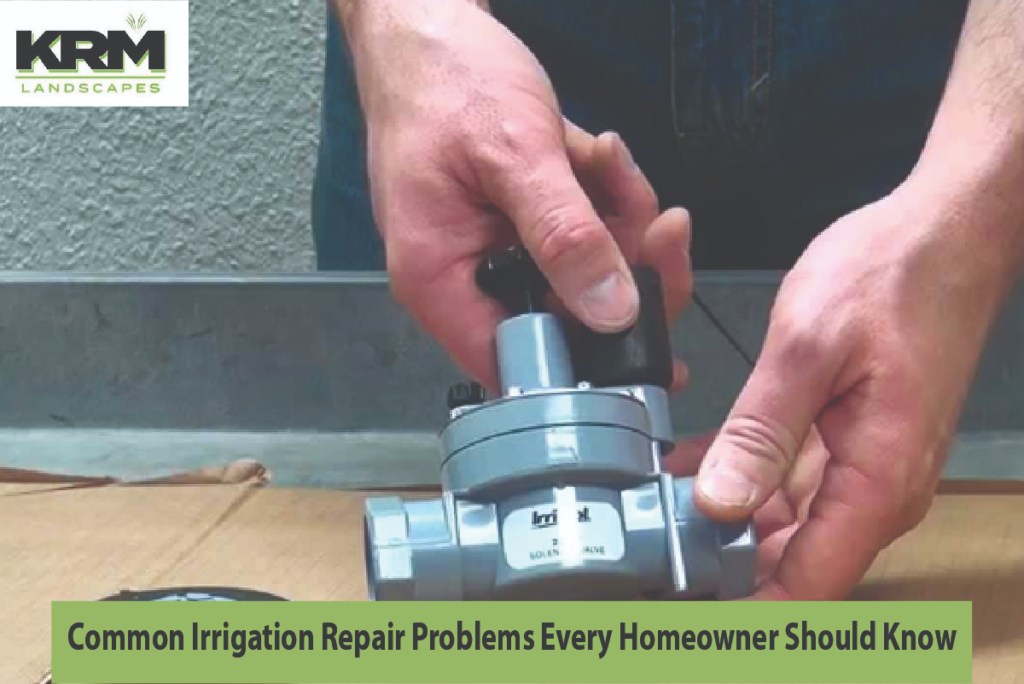
Sprinkler valves are the heart of your irrigation system. They control water flow to different zones and ensure your lawn gets consistent watering. Over time, valves can corrode, crack, or accumulate mineral deposits, leading to leaks. Leaking valves not only waste water but also reduce efficiency across your system.
Homeowners can spot a faulty valve by checking for soggy patches in their lawn, unusual sounds like hissing, or water running even when the system is off. If you’re not comfortable fixing it yourself, a professional lawn irrigation service can replace or repair the valve efficiently.
Irrigation Leaks in Pipes or Hoses
Underground irrigation pipes and hoses are prone to leaks caused by shifting soil, tree roots, or general wear and tear. These leaks can be tricky to detect because the water often surfaces in unexpected spots, causing muddy patches. Ignoring these leaks can damage your landscape and spike your water bill.
A careful inspection or the use of moisture-detection tools can pinpoint the exact location. Once identified, an irrigation leak repair is crucial. Homeowners can choose DIY patch kits for minor issues, but complex underground leaks often require professional intervention.
Clogged Drip Irrigation Lines
Drip irrigation is ideal for gardens, flower beds, and areas where water conservation is a priority. However, these systems are susceptible to clogs caused by dirt, algae, or mineral buildup. A clogged line reduces water delivery, leaving plants thirsty while wasting water in other sections.
To fix this, flush your drip irrigation system regularly and install filters to catch debris. A simple drip irrigation fix can restore your system’s efficiency and ensure every plant in your backyard irrigation setup thrives.
Timer Malfunctions and Electrical Issues
Modern irrigation systems rely on timers or smart controllers to schedule watering sessions. Malfunctions in these components can lead to overwatering or under-watering. Common problems include faulty wiring, dead batteries, or software glitches in intelligent systems.
Check your controller for error codes or inconsistent watering schedules. A timely inspection and software updates can prevent costly lawn damage and ensure your system works as intended. In cases of persistent issues, professional irrigation system maintenance services can recalibrate or replace malfunctioning controllers.
Uneven Water Distribution
Uneven water distribution is a subtle but damaging problem. It occurs when sprinklers spray water inconsistently, either due to blocked heads, incorrect nozzle settings, or misaligned spray patterns. This results in patches of dry grass or overwatered areas, leading to lawn stress.
Regularly inspecting your sprinkler layout and adjusting spray patterns can correct uneven coverage. For larger systems, hiring a lawn irrigation service can ensure proper calibration, improving water efficiency and lawn health.
Low Water Pressure Issues
Low water pressure can cripple your irrigation system’s performance, making sprinklers weak or preventing them from functioning altogether. Common causes include clogged filters, leaks, or a shared water supply that cannot handle simultaneous usage.
Testing water pressure and addressing blockages or leaks promptly helps restore optimal flow. In some cases, adding a pressure regulator or booster pump is necessary to maintain consistent performance for backyard irrigation systems.
Seasonal Damage and Wear
Weather changes can wreak havoc on your irrigation setup. Freezing temperatures, heavy rainfall, and soil shifts can damage pipes, heads, and valves. Winterization and seasonal inspections are critical to prevent long-term problems.
Proper irrigation system maintenance includes draining lines, insulating vulnerable components, and scheduling professional inspections before and after harsh seasons. Taking these steps ensures your system remains functional year-round, protecting your investment in a lush and healthy lawn.
Final Thoughts
Maintaining a functional irrigation system is more than just a convenience—it’s an investment in your home’s curb appeal and water efficiency. By understanding common problems like broken sprinkler heads, leaking valves, clogged drip lines, and timer malfunctions, homeowners can take proactive steps. Whether you tackle minor fixes yourself or schedule professional lawn irrigation services, keeping your system in top shape ensures a vibrant, healthy lawn year-round.
For more expert tips on landscaping and irrigation, check out KRM Landscaping and explore our Gilford, NH landscaping services. You can also learn how to hire the right landscape architect for your project.
FAQs
Q1: How often should I inspect my irrigation system?
Homeowners should inspect their system at least twice a year, once in spring before the watering season and again in fall before winterization.
Q2: Can I fix irrigation leaks myself?
Small leaks may be patched using DIY kits, but professionals are best for handling underground or complex leaks for safety and efficiency.
Q3: How do I prevent clogged drip irrigation lines?
Install filters, flush the system regularly, and monitor for algae or mineral buildup to keep lines clear.
Q4: When should I call a professional for sprinkler valve repair?
If you notice continuous water leaks, unusual sounds, or an unresponsive valve, a professional lawn irrigation service can ensure a proper fix.
Q5: Does irrigation system maintenance save money?
Absolutely. Proper maintenance reduces water waste, prevents costly repairs, and keeps your lawn healthy, saving money in the long run.