
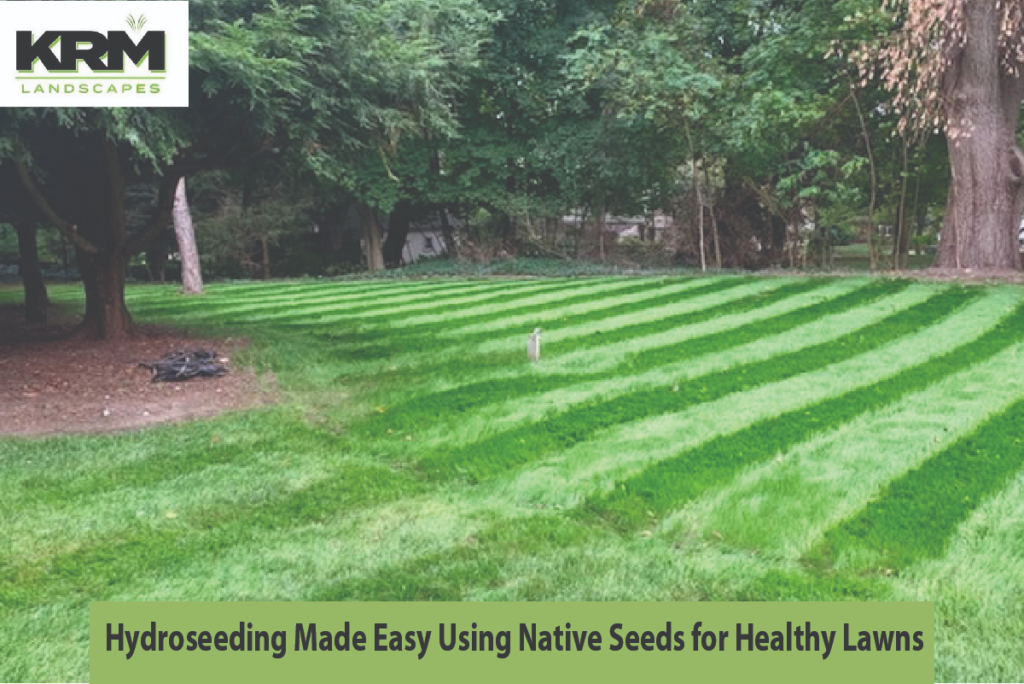
Creating a lush, vibrant lawn doesn’t have to be a struggle, and with hydroseeding, it’s easier than ever. By using native seeds, homeowners can establish a resilient and eco-friendly lawn that thrives with minimal maintenance. Native grasses are naturally adapted to local climates, making them more drought-tolerant and disease-resistant, and ideal for sustainable landscaping. Unlike traditional seeding methods, hydroseeding ensures fast and even germination, giving your lawn a healthy start while supporting local biodiversity.
Whether you’re restoring a backyard, enhancing curb appeal, or planning a new landscape, combining hydroseeding with natives is a game-changer. This method not only reduces erosion and weed growth but also promotes a thriving ecosystem right in your yard. In this post, we’ll explore everything you need to know about native seed hydroseeding, from selecting the right native seed mix for hydroseeding to proper installation techniques and long-term lawn care tips.
Why Choose Native Seeds for Hydroseeding?
When you choose hydroseeding native grasses, you’re investing in a lawn that’s tailored to your environment. Native plants have evolved to thrive in local soil types, weather patterns, and rainfall levels. This means less water, fewer fertilizers, and fewer pesticides are required. In turn, you save time, money, and resources while contributing to a healthier ecosystem.
Another key benefit is the enhanced resilience of native lawns. They withstand extreme weather conditions better than non-native turfgrass varieties. Using a regional native hydroseeding approach ensures your lawn not only survives but also flourishes with minimal intervention. This method is perfect for homeowners seeking sustainable, low-maintenance landscaping solutions.
The Science Behind Native Seed Slurry
Hydroseeding works by applying a mixture called a native seed slurry, which combines seeds, water, mulch, and sometimes fertilizers or tackifiers. This slurry creates an ideal germination environment, protecting seeds from birds, wind, and soil erosion. When the slurry is sprayed evenly across the prepared soil, seeds are immediately in contact with moisture and nutrients, resulting in faster and more uniform growth compared to traditional seeding.
The use of native plants in hydroseed mixtures ensures your lawn is equipped with grasses and plants that are ecologically compatible with your region. By focusing on local species, you reduce the likelihood of invasive plants taking over, and your lawn supports local pollinators and wildlife.
Selecting the Right Native Seed Mix
Not all native seeds are created equal. Choosing the right native seed mix for hydroseeding is essential for long-term success. Factors to consider include your soil type, sunlight exposure, rainfall patterns, and intended lawn use. For example, a mix designed for shaded areas will differ from a sunny, high-traffic lawn.
Professional landscaping services, such as KRM Landscaping, can help you select the perfect hydroseeding local-natives mix for your property. They consider regional conditions and ensure your lawn receives the optimal blend of grasses, wildflowers, and ground covers for a thriving ecosystem.
Preparing Your Lawn for Hydroseeding
Preparation is key to achieving a successful hydroseeding-with-natives plants project. Start by clearing debris, rocks, and old vegetation from the area. Loosening the soil to a fine texture improves seed-to-soil contact, which is critical for germination. If your soil lacks nutrients, applying an organic fertilizer before hydroseeding can provide a strong start for your native seeds.
Leveling the soil and creating gentle slopes also helps prevent erosion and ensures even water distribution. Homeowners should avoid compacted soils or overly dry areas, as these conditions can hinder the effectiveness of the native seed slurry. Proper preparation lays the foundation for a healthy, vibrant lawn that lasts for years.
Application Techniques for Native Seeds
Hydroseeding is both efficient and precise when done correctly. Using specialized equipment, professionals spray the hydroseeding mixture of native grasses evenly across the prepared soil. The mulch in the slurry helps retain moisture, while the tackifiers keep seeds in place, even on slopes or uneven terrain.
Timing is also essential. Spring or early fall is ideal for hydroseeding, as temperatures and rainfall are more favorable for germination. After application, it’s necessary to keep the soil consistently moist, which can be achieved through regular watering or rainfall. This ensures the native seed slurry works its magic and your lawn begins to grow uniformly.
Long-Term Lawn Care Tips
Once your lawn is established, ongoing care is crucial to maintain a healthy ecosystem. Native grasses typically require less mowing than traditional lawns, but periodic trimming encourages strong root systems and prevents weeds. Watering should be minimal once the lawn is mature, as native plants are naturally drought-resistant.
Fertilization can also be reduced, as native species are adapted to local soils. This not only benefits your wallet but also protects surrounding waterways from nutrient runoff. By committing to regional native hydroseeding, you’re embracing a lawn that’s not only beautiful but environmentally responsible.
Enhancing Curb Appeal and Property Value
A well-maintained lawn featuring native plants can significantly boost your home’s curb appeal. Homeowners increasingly prefer sustainable, low-maintenance, and visually appealing landscapes. Hydroseeding with natives creates a vibrant, textured lawn that stands out in any neighborhood.
Additionally, a healthy, eco-friendly lawn can increase property value. Buyers often value energy-efficient, environmentally conscious landscaping, making your investment in native seed hydroseeding a wise choice for both aesthetics and long-term savings.
Final Thoughts
Hydroseeding using native seeds is more than just a lawn care technique—it’s a sustainable landscaping solution that delivers beauty, resilience, and environmental benefits. From selecting the right native seed mix to hydroseeding to proper preparation, application, and maintenance, every step contributes to a thriving lawn that requires less effort and supports local biodiversity.
Whether you’re a seasoned gardener or a homeowner looking for a simple, effective lawn solution, embracing native plants hydroseed is a choice you won’t regret. Ready to transform your outdoor space? Partner with experts like KRM Landscaping to ensure your lawn flourishes with professional hydroseeding services.
FAQs About Native Seed Hydroseeding
Q1: How long does it take for native seeds to germinate after hydroseeding?
Typically, germination occurs within 7–21 days, depending on the seed variety, soil conditions, and weather.
Q2: Can I hydroseed on slopes or uneven terrain?
Yes, the mulch and tackifiers in the native seed slurry help prevent erosion and keep seeds in place, making it suitable for slopes.
Q3: How often should I water my newly hydroseeded lawn?
Water lightly but frequently for the first few weeks to keep seeds moist. Once established, native grasses require minimal watering.
Q4: Are native seed lawns low-maintenance?
Yes, they typically need less mowing, fertilizer, and watering than traditional lawns, making them eco-friendly and cost-effective.
Q5: Can I mix wildflowers with native grasses for hydroseeding?
Absolutely! Many hydroseeding local natives mixes include wildflowers to enhance beauty and support pollinators.