
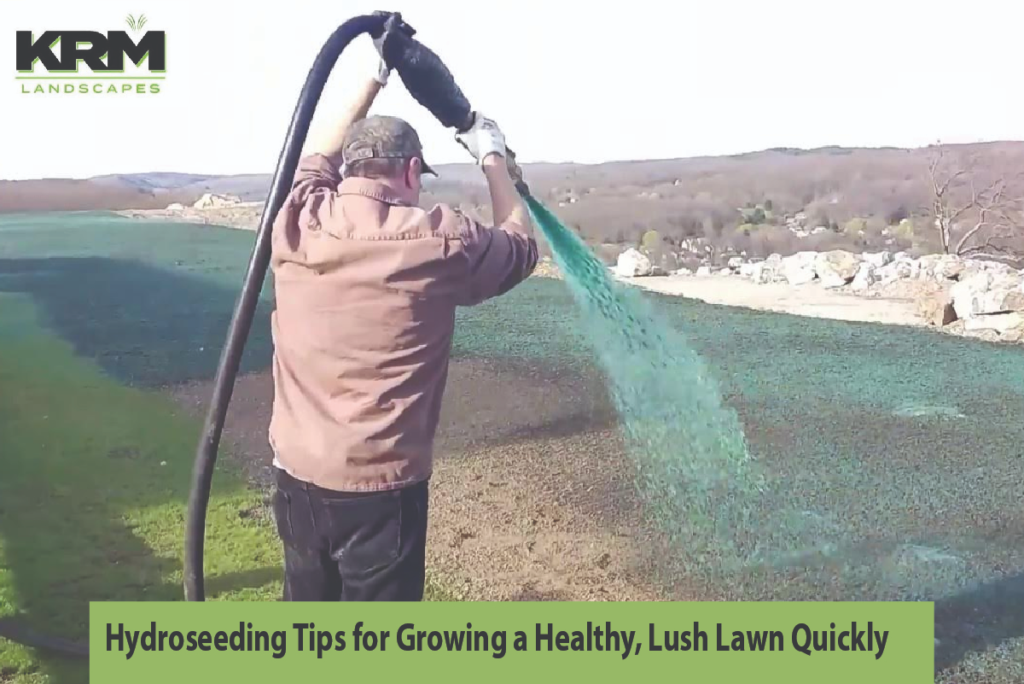
If you’ve been dreaming of a vibrant, green lawn without spending weeks seeding by hand, hydroseeding might just be your secret weapon. This innovative lawn care technique combines grass seed, mulch, fertilizer, and water into a sprayable mixture, allowing homeowners to achieve quick, consistent, and healthy lawn growth. Unlike traditional seeding, hydroseeding lawn techniques ensure uniform coverage, reduce erosion, and give your yard a lush look faster than conventional methods. Whether you’re revamping your backyard or starting fresh with a new lawn, understanding the tips and tricks of hydroseeding can make all the difference.
Hydroseeding isn’t just for professionals; it’s approachable for homeowners who want a beautiful lawn with less hassle. In this guide, we’ll explore everything from preparing your yard to caring for your hydroseed lawn after application, with tips designed to maximize growth, health, and overall beauty.
Why Hydroseeding Is the Smart Choice for Your Lawn
Traditional lawn seeding can be time-consuming, often requiring multiple applications and careful watering schedules. Hydroseeding grass, however, accelerates germination and encourages stronger root systems from the start. The mulch in the hydroseed mix helps retain moisture and protects seeds from birds and harsh weather, ensuring your lawn establishes quickly.
Additionally, lawn hydroseeding can be customized with seed blends that suit your region’s climate and soil type. This means your yard will not only grow faster but also thrive in your specific conditions. By choosing hydroseeding, you’re investing sustainably and efficiently to achieve a pristine, green lawn.
Preparing Your Yard for Hydroseeding
Before you apply hydroseeding turf, preparation is key. Start by clearing the area of weeds, rocks, and debris. This ensures the seeds make complete contact with the soil and have the best chance to grow. Leveling the soil and lightly loosening it also promotes better root penetration.
If your yard has compacted soil, consider aeration. Grass hydroseeding thrives when the soil can breathe and retain water effectively. For new lawns, adding a layer of nutrient-rich topsoil before hydroseeding can significantly improve germination and early growth. Preparing your yard properly sets the foundation for a lush, healthy lawn.
Choosing the Right Seed Mix for Your Hydroseed Lawn
One significant advantage of hydroseeding new lawns is the flexibility to choose your seed mix. Cool-season grasses like fescue and rye are ideal for northern regions, while Bermuda and Zoysia work well in warmer climates. Selecting a high-quality blend ensures strong growth, disease resistance, and year-round beauty.
Consider your lawn’s specific needs. If your yard gets full sun, select sun-tolerant grasses. For shaded areas, a shade mix will perform better. By matching your seed choice to your environment, your hydroseeding yard can thrive with minimal maintenance. For more guidance, visit KRM Landscaping’s hydroseeding services to find the perfect seed blend.
Timing and Application Tips for Maximum Growth
Timing is critical for hydroseeding grass. The ideal window is early spring or early fall, when temperatures are moderate, and rainfall is more consistent. This ensures that seeds germinate efficiently without the stress of extreme weather.
When applying hydroseed, ensure even coverage. Professional equipment sprays the mixture uniformly across the lawn, but if you’re doing it yourself, work in small sections and maintain a consistent application. Watering immediately after application and keeping the soil consistently moist for the first few weeks is essential to promote germination. Learn more about integrating hydroseeding into your lawn care routine here.
Watering and Post-Application Care
After hydroseeding turf, your watering schedule can make or break results. Initially, light, frequent watering is crucial to keep the soil moist but not waterlogged. As seedlings establish roots, gradually reduce watering frequency but increase duration to encourage deep root growth.
Avoid mowing your hydroseed lawn too soon. Wait until the grass reaches about 3 inches in height to prevent uprooting young plants. Fertilizing after the first mowing can give your lawn an extra boost, enhancing color and density. Consistent care during these early stages ensures long-term success and a lush, thick lawn.
Common Mistakes to Avoid During Hydroseeding
Even with the best seed and preparation, mistakes can hinder results. Overwatering is a common issue that can lead to mold growth or washed-away seeds. Underwatering, on the other hand, can dry out the soil and kill young seedlings.
Applying hydroseed on poorly prepared or uneven soil is another frequent problem. Bumpy surfaces can result in patchy growth and weak root systems. Lastly, neglecting post-application maintenance, like watering and mowing at the correct times, can compromise the lawn’s overall health. By avoiding these pitfalls, your hydroseeding yard will flourish beautifully.
Benefits of Professional Lawn Hydroseeding Services
While DIY hydroseeding can be tempting, hiring experts offers several advantages. Professionals bring experience, high-quality seed blends, and specialized equipment that ensures uniform coverage and optimal growth. They can also provide tailored advice based on your soil type, climate, and lawn goals.
Moreover, professional services, such as those offered by KRM Landscaping, can save time and reduce stress. By trusting trained experts, you get a healthier, more resilient lawn faster, making your outdoor space an inviting, vibrant area for family and friends.
Final Thoughts on Achieving a Lush Lawn Quickly
Hydroseeding is a powerful, efficient, and affordable way to grow a beautiful lawn with minimal effort. From proper yard preparation and seed selection to careful watering and maintenance, every step contributes to a thriving landscape. Whether you’re looking to revamp your backyard or create a brand-new lawn, following these tips will help ensure success.
By investing in hydroseeding and prioritizing proper care, you’ll enjoy a lush, green lawn that enhances your home’s curb appeal and provides a relaxing outdoor space. Remember, the secret to fast, healthy grass growth lies in preparation, timing, and consistent care.
FAQs About Hydroseeding Lawns
Q1: How long does hydroseed grass take to grow?
Germination typically occurs within 7–21 days, depending on seed type and environmental conditions. Full establishment may take 6–8 weeks.
Q2: Can I hydroseed my entire yard by myself?
Yes, but professional hydroseeding ensures even coverage, proper seed mix, and higher success rates.
Q3: How often should I water my hydroseed lawn?
Light, frequent watering is recommended for the first 2–3 weeks. Gradually transition to deeper, less frequent watering as roots establish.
Q4: Is hydroseeding more cost-effective than traditional sod?
Yes, hydroseeding is generally less expensive than sod and provides better long-term root development and coverage.
Q5: Can hydroseeding prevent soil erosion?
Absolutely! The mulch in the hydroseeding mixture helps hold soil in place, making it ideal for slopes and erosion-prone areas.