
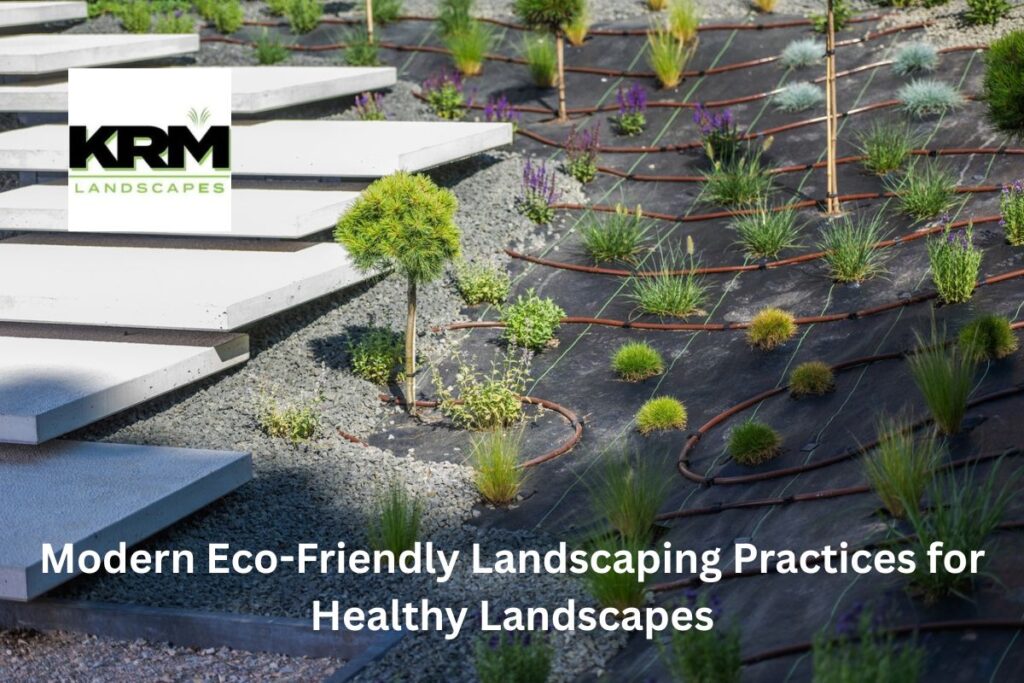
Today’s homeowners and property managers want landscapes that look amazing without wasting water, harming the environment, or driving up maintenance costs. That’s precisely why modern eco-friendly landscaping practices are becoming the gold standard for healthy, long-lasting outdoor spaces. Instead of relying on outdated methods that drain resources, sustainable landscaping focuses on more innovative design, natural balance, and long-term results.
Eco-friendly landscaping is not about sacrificing beauty. In fact, when done right, it creates richer soil, more vigorous plants, and outdoor spaces that thrive through every season. From native-plant landscaping to permeable paver installations, green landscaping techniques help properties remain attractive while reducing environmental impact. Even better, these practices often save money over time by reducing water use, fertilizer use, and repair costs.
Whether you? re planning a brand-new landscape or upgrading an existing one, these modern strategies can transform your outdoor space into something healthier, more resilient, and future-ready.
Why Eco-Friendly Landscaping Matters More Than Ever
Climate change, rising water costs, and soil degradation have changed how landscapes should be designed and maintained. Traditional landscaping methods often rely heavily on chemical fertilizers, excessive irrigation, and high-maintenance plant choices. Over time, those practices damage soil health and strain local ecosystems.
Sustainable landscaping flips that approach. It works with nature instead of against it. By focusing on soil health, efficient water use, and climate-appropriate plants, eco-friendly landscaping creates outdoor spaces that stay strong even during droughts or extreme weather. As a result, landscapes require fewer inputs while delivering better long-term performance.
Additionally, green landscaping practices help reduce runoff, protect nearby waterways, and improve air quality. For both residential and commercial properties, that means a landscape that not only looks good but also supports the surrounding environment.
Designing with Native Plants for Long-Term Success
Native plants landscaping is one of the smartest moves in modern landscape design. Native plants are naturally adapted to the local climate, soil, and rainfall. As a result, they require less water, fewer fertilizers, and minimal maintenance once established.
These plants also support local wildlife, including pollinators like bees and butterflies. By choosing native species, landscapes become more balanced and resilient. Instead of fighting pests and diseases, native plants tend to resist them naturally.
Another significant benefit is seasonal beauty. Native plants provide year-round interest with natural color changes, textures, and growth patterns. When paired with thoughtful layout and spacing, they create landscapes that feel organic, welcoming, and timeless.
Smart Water Use with Drought-Tolerant Landscaping
Water conservation is central to eco-friendly landscaping. Drought-tolerant landscaping focuses on plants and designs that use water efficiently without sacrificing curb appeal. This approach is especially valuable in areas with fluctuating rainfall or watering restrictions.
Low-water landscaping uses deep-rooted plants, mulching, and efficient irrigation to minimize water waste. Instead of shallow watering that evaporates quickly, modern systems deliver water directly to plant roots where it?s needed most.
Xeriscaping is a popular method in drought-tolerant landscaping. It combines strategic plant selection, proper grading, and mulch layers to reduce irrigation demands. When done professionally, xeriscaping doesn’t look dry or dull. It looks clean, modern, and thoughtfully designed.
Improving Soil Health with Organic Lawn Care
Healthy landscapes start from the ground up. Organic lawn care avoids harsh chemicals that damage soil structure and beneficial microorganisms. Instead, it focuses on natural fertilizers, compost, and soil conditioning techniques that promote long-term health.
Over time, organic lawn care improves the soil’s ability to retain moisture and nutrients. That means stronger root systems, greener grass, and fewer pest problems. Organically maintained lawns are also safer for children, pets, and surrounding plant life.
Another key benefit is reduced runoff. Healthy soil absorbs water more effectively, helping prevent erosion and keeping nutrients from washing into storm drains and waterways.
Reducing Runoff with Permeable Hardscape Solutions
Hardscaping plays a massive role in green landscaping. Traditional concrete and asphalt surfaces block water absorption, leading to runoff and erosion. That’s where permeable paver systems make a difference.
A permeable paver allows rainwater to pass through the surface and soak into the ground below. This reduces puddling, prevents flooding, and helps recharge groundwater supplies. At the same time, permeable paver installations look polished and professional.
Modern eco-friendly landscapes often combine permeable paver walkways, patios, and driveways with planted areas for a balanced, functional design. This approach improves drainage while maintaining a clean, high-end appearance.
Low-Maintenance Landscaping That Saves Time and Money
One of the biggest myths about sustainable landscaping is that it requires more upkeep. In reality, the opposite is true. Once established, eco-friendly landscaping systems require less mowing, watering, and chemical treatments.
Low-water landscaping reduces irrigation needs, while native-plant landscaping minimizes pruning and pest control. Organic lawn care reduces the need for repeated treatments and soil repair costs. Over time, these savings add up.
Property owners also benefit from fewer replacements. Healthy plants last longer, soil stays productive, and hardscape materials hold up better under changing weather conditions.
Seasonal Planning for Year-Round Landscape Health
Eco-friendly landscaping doesn’t stop at planting season. Thoughtful seasonal planning helps ensure landscapes remain healthy throughout the year. This includes proper fall cleanups, soil preparation, and winter protection strategies.
Snow and ice management also play a role in green landscaping. Using landscape-safe snow removal techniques protects plant beds and hardscape surfaces. Planning helps prevent salt damage and soil compaction during the winter months.
For professional insights into winter preparation.
Partnering with Professionals for Sustainable Results
While some eco-friendly upgrades can be implemented gradually, working with experienced professionals ensures they integrate seamlessly. From design to installation and long-term maintenance, expert planning makes a noticeable difference.
Professional landscapers understand soil conditions, drainage patterns, and plant compatibility. They can help integrate eco-friendly landscaping features without compromising visual appeal or functionality.
For expert solutions and tailored services.
Final Thoughts
Modern eco-friendly landscaping practices go beyond trends. They represent a more innovative, healthier way to design and maintain outdoor spaces. By focusing on sustainable landscaping methods, property owners create environments that thrive naturally while reducing waste and long-term costs.
From drought-tolerant landscaping and native plants to organic lawn care and permeable paver systems, every choice contributes to a stronger landscape. The result is an outdoor space that looks great, functions better, and supports the environment for years to come.
If you’re ready to invest in a landscape that truly gives back, eco-friendly landscaping is the path forward.
FAQs
What is eco-friendly landscaping?
Eco-friendly landscaping focuses on sustainable design, water efficiency, healthy soil, and environmentally responsible materials.
Is sustainable landscaping more expensive?
Initial costs can vary, but long-term savings from reduced water use and maintenance often outweigh upfront expenses.
What plants work best for low-water landscaping?
Native plants and drought-tolerant species are ideal because they adapt naturally to local conditions.
How does organic lawn care improve soil health?
Organic methods enhance soil structure, increase beneficial microorganisms, and improve moisture retention.
Are permeable paver systems durable?
Yes. When installed correctly, permeable pavers are strong, long-lasting, and environmentally beneficial.