
Creating a lush, green lawn doesn’t have to feel overwhelming or expensive. In fact, with the right approach and professional hydroseeding, transforming your outdoor space can be faster, more efficient, and surprisingly cost-effective. Whether you’re starting from scratch or replacing an old, patchy yard, hydroseeding offers a modern solution that balances quality, speed, and affordability.
Homeowners today are moving away from traditional seeding and sod installation in favor of better results with less hassle. That’s where new lawn hydroseeding services come into play. This advanced technique blends seed, mulch, fertilizer, and water into a powerful slurry that promotes rapid and even growth. When applied by experts, it creates the ideal environment for healthy grass to thrive.
If you’ve been dreaming about a vibrant lawn that enhances your property’s beauty and value, this guide will walk you through everything you need to know. From understanding the process to choosing the right professionals, we’ll make hydroseeding new lawn installation simple, clear, and achievable.
Why Hydroseeding Is the Smart Choice for New Lawns
Hydroseeding has quickly become one of the most popular methods for new lawn installation, and for good reason. Compared to traditional hand seeding or sod, it offers a perfect balance between cost and performance. It’s designed to deliver consistent results without requiring excessive labor or time.
One of the biggest advantages of hydroseeding for new lawns is its ability to promote even growth. The slurry mixture ensures that seeds stay in place, reducing the risk of patchy areas caused by wind or water runoff. This makes it especially effective for large or uneven properties.
Key benefits include:
- Faster germination compared to traditional seeding
- Better moisture retention due to mulch coating
- Cost-effective alternative to sod
- Uniform coverage across the entire lawn
- Reduced soil erosion on slopes
With these advantages, it’s easy to see why more homeowners are choosing new lawn hydroseeding as their go-to solution.
Understanding the Hydroseeding Process Step by Step
To fully appreciate the value of hydroseeding, it helps to understand how the process works. While it may seem technical, professionals handle everything efficiently, ensuring optimal results from start to finish.
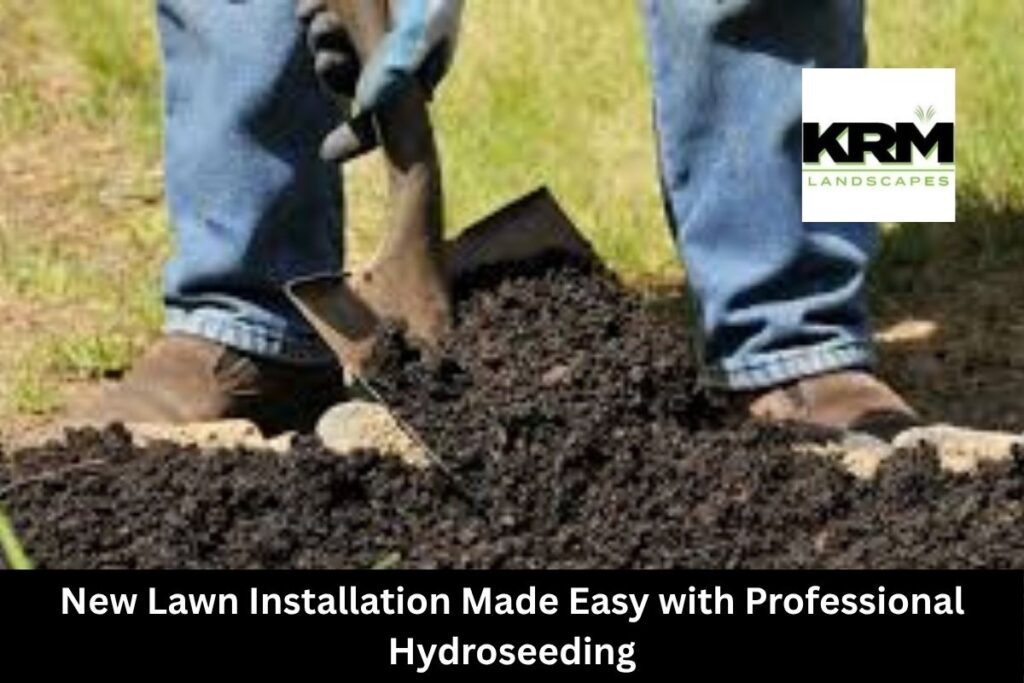
First, the soil is carefully prepared. This includes removing debris, grading the area, and ensuring proper drainage. Good soil preparation is essential because it directly impacts how well your lawn grows.
Next comes the application phase. During hydroseeded lawn installation, a specialized machine sprays the slurry mixture evenly across the prepared soil. This mixture contains everything your lawn needs to begin growing immediately.
The process typically includes:
- Soil testing and preparation
- Custom seed selection
- Mixing seed, mulch, fertilizer, and water
- Even application using hydroseeding equipment
- Post-application care and monitoring
This streamlined approach makes lawn hydroseeding installation services both efficient and reliable.
Choosing the Right Professionals for the Job
Not all hydroseeding services are created equal. The quality of your lawn depends heavily on the expertise of the team handling the project. That’s why selecting experienced new lawn hydroseeding contractors is essential.
Professionals understand how to tailor the seed mix based on your soil type, climate, and lawn goals. They also ensure that the application is done correctly, which significantly improves the chances of successful growth.
When evaluating contractors, look for:
- Proven experience in residential projects
- Positive customer reviews and testimonials
- Transparent pricing and clear timelines
- Knowledge of local soil and climate conditions
- Comprehensive follow-up care services
For trusted, high-quality services, explore expert solutions.
These resources offer valuable insights into professional residential new lawn hydroseeding services.
How Hydroseeding Compares to Sod and Traditional Seeding
When planning a new lawn, many homeowners wonder whether hydroseeding is better than sod or traditional seeding. Each method has its pros and cons, but hydroseeding often stands out as the most balanced option.
Sod provides instant results but comes with a high cost and requires careful installation. On the other hand, traditional seeding is affordable but often leads to uneven growth and longer germination times.
Here’s a quick comparison:
- Hydroseeding: Affordable, even growth, moderate speed
- Sod: Instant lawn, expensive, labor-intensive
- Traditional Seeding: Low cost, slow growth, inconsistent results
With hydroseeding, you get the best of both worlds: quality results without breaking the bank.
Best Time to Start Your Hydroseeding Project
Timing plays a crucial role in your lawn’s success. While hydroseeding can be done in various seasons, certain times of the year provide better conditions for growth.
Spring and early fall are generally the best times for hydroseeding a new lawn. During these seasons, temperatures are moderate, and moisture levels are ideal for seed germination.
Ideal conditions include:
- Mild temperatures (60–75°F)
- Consistent rainfall or irrigation
- Minimal extreme weather conditions
- Healthy soil preparation
Starting your project at the right time ensures faster growth and stronger root development, giving your lawn a solid foundation.
Post-Hydroseeding Care for Long-Lasting Results
Once your lawn has been hydroseeded, proper care is essential to ensure healthy growth. While the process jumpstarts germination, ongoing maintenance plays a key role in achieving a lush, green lawn.
Watering is the most important factor during the early stages. The soil must remain consistently moist to support seed growth. However, overwatering should be avoided, as it can wash away the slurry.
Essential care tips:
- Water lightly 2–3 times daily in the first few weeks
- Avoid heavy foot traffic on the lawn
- Apply fertilizer as recommended by professionals
- Mow only after the grass reaches 3–4 inches
- Monitor for weeds and treat early
By following these steps, your hydroseeded lawn installation will thrive and develop into a dense, healthy landscape.
Common Mistakes to Avoid During Lawn Installation
Even with a reliable method like hydroseeding, certain mistakes can impact your results. Being aware of these pitfalls can help you avoid unnecessary setbacks.
One common mistake is skipping proper soil preparation. Without a solid foundation, even the best hydroseeding application may struggle to grow effectively.
Another issue is inconsistent watering. Too little water can dry out the seeds, while too much can lead to runoff.
Avoid these mistakes:
- Poor soil preparation
- Incorrect seed selection
- Inconsistent watering schedules
- Ignoring post-installation care
- Hiring inexperienced contractors
Taking a proactive approach ensures that your new lawn hydroseeding services deliver the results you expect.
Advanced Hydroseeding Techniques for Better Results
Modern hydroseeding has evolved significantly, offering advanced techniques that improve efficiency and results. These innovations make it easier than ever to achieve a high-quality lawn.
For example, some professionals use enhanced mulch blends that retain moisture longer and protect seeds from harsh conditions. Others incorporate soil conditioners to improve nutrient absorption.
To learn more about cutting-edge approaches, check out this guide.
Advanced features may include:
- High-performance seed blends
- Improved mulch technology
- Soil enhancement additives
- Precision application equipment
These innovations make hydroseeding for new lawns more effective and reliable than ever before.
Final Thoughts
A beautiful lawn doesn’t happen by chance; it requires the right method, proper planning, and expert execution. Hydroseeding simplifies the entire process, making it accessible for homeowners who want professional-quality results without the high costs of traditional methods.
By choosing experienced contractors and following proper care practices, you can enjoy a vibrant, healthy lawn that enhances your property’s curb appeal. Whether you’re upgrading your yard or starting fresh, new lawn hydroseeding is a smart, efficient solution that delivers lasting value.
FAQs
1. How long does it take for hydroseeded grass to grow?
Most hydroseeded lawns begin to show growth within 5–7 days, with full coverage developing in 3–4 weeks.
2. Is hydroseeding better than sod?
Hydroseeding is more cost-effective and provides strong root development, while sod offers instant results at a higher cost.
3. How often should I water a hydroseeded lawn?
Watering should be done 2–3 times daily during the initial weeks to keep the soil consistently moist.
4. Can hydroseeding be done on slopes?
Yes, hydroseeding is ideal for slopes because the mulch helps prevent erosion and keeps seeds in place.
5. When can I mow my new lawn?
You should wait until the grass reaches about 3–4 inches in height before mowing.